


Table of Contents
Modern farming techniques are transforming agriculture into a more efficient, sustainable, and technology-driven sector. In the past, farming relied heavily on manual labor, traditional tools, and unpredictable weather patterns. Today, technology has entered the agricultural field with innovative solutions that help farmers increase production, reduce waste, and use resources like water and fertilizer more effectively. These new techniques are not just improving crop yields but also ensuring food security for the growing global population.
The Rise of Precision Agriculture
One of the most significant aspects of modern farming is precision agriculture. This technique involves the use of sensors, drones, and satellite imagery to monitor soil conditions, moisture levels, and crop health. Farmers can collect real-time data and make informed decisions about when to water, fertilize, or harvest. Instead of treating all parts of the field equally, precision farming allows farmers to apply inputs only where they are needed, reducing waste and costs while improving productivity. It ensures that every seed and every drop of water counts.
Hydroponics: Farming Without Soil
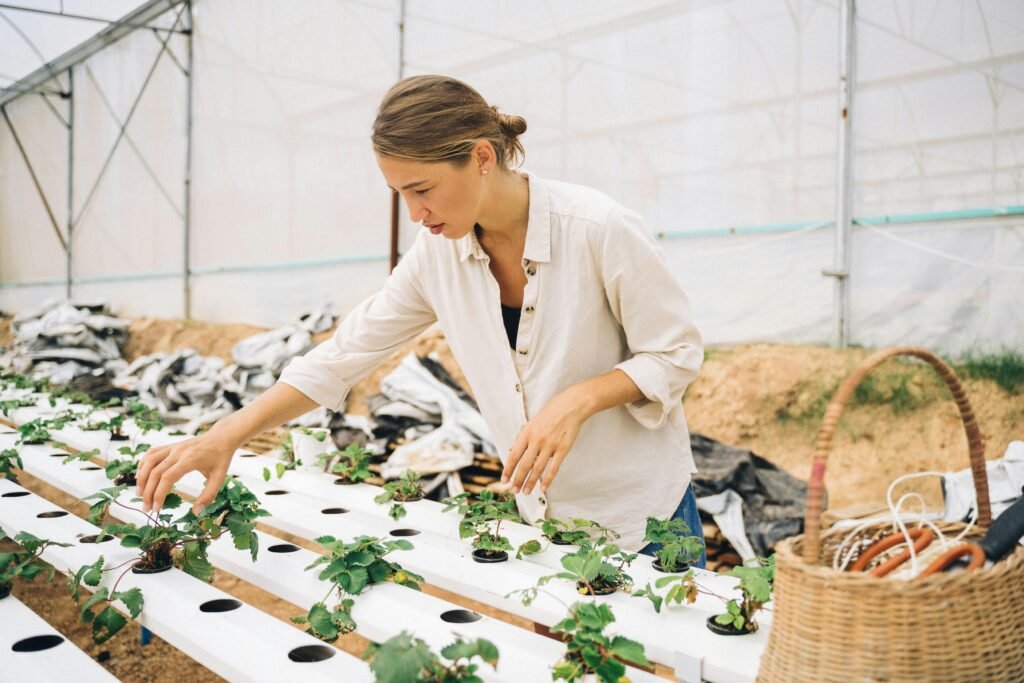
Another innovative method in modern farming is hydroponics, which allows plants to grow without soil. In hydroponic systems, plants are cultivated in nutrient-rich water solutions, which provide all the minerals and nutrients required for growth. This method is especially useful in urban areas where land is limited or where the soil is unsuitable for agriculture. Hydroponics saves water—up to 90% compared to traditional farming—and produces faster-growing, high-quality crops. It is a sustainable solution for future food production, especially as urbanization continues to rise.
Automation and Robotics in Agriculture
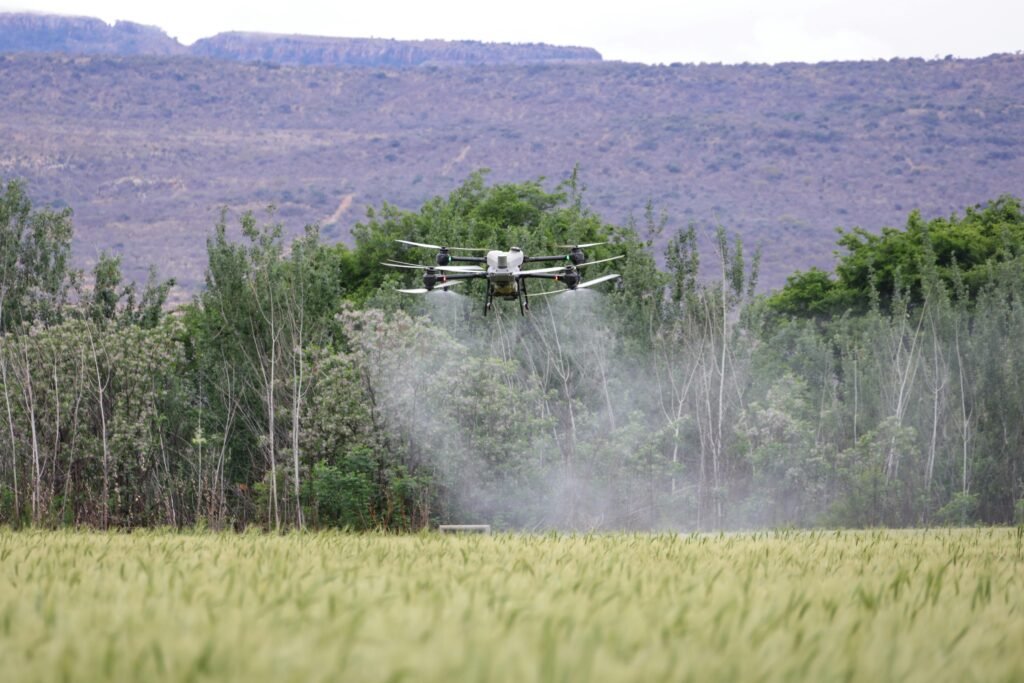
Automation and robotics have also become essential parts of modern farming. Robots can perform tasks such as planting seeds, harvesting crops, and monitoring plant growth. These machines work faster and more accurately than humans, reducing labor costs and increasing productivity. Automated irrigation systems ensure that crops receive the right amount of water at the right time, preventing both overwatering and drought stress. Similarly, drone technology is now widely used to survey fields, spray fertilizers, and detect diseases early. With such innovations, farming is becoming more efficient and data-driven than ever before.
Smart Farming and the Internet of Things (IoT)
Smart farming is another revolutionary trend that integrates Internet of Things (IoT) technology into agriculture. Smart sensors can measure soil pH, temperature, and humidity, sending data directly to farmers’ smartphones. This enables remote monitoring and decision-making, even when the farmer is not physically present in the field. Artificial intelligence (AI) tools can analyze data from these sensors to predict the best planting times, identify pest threats, and optimize fertilizer use. By combining data analysis with automation, smart farming creates a system where technology and nature work hand in hand to achieve better results.
Vertical Farming: Growing Upward
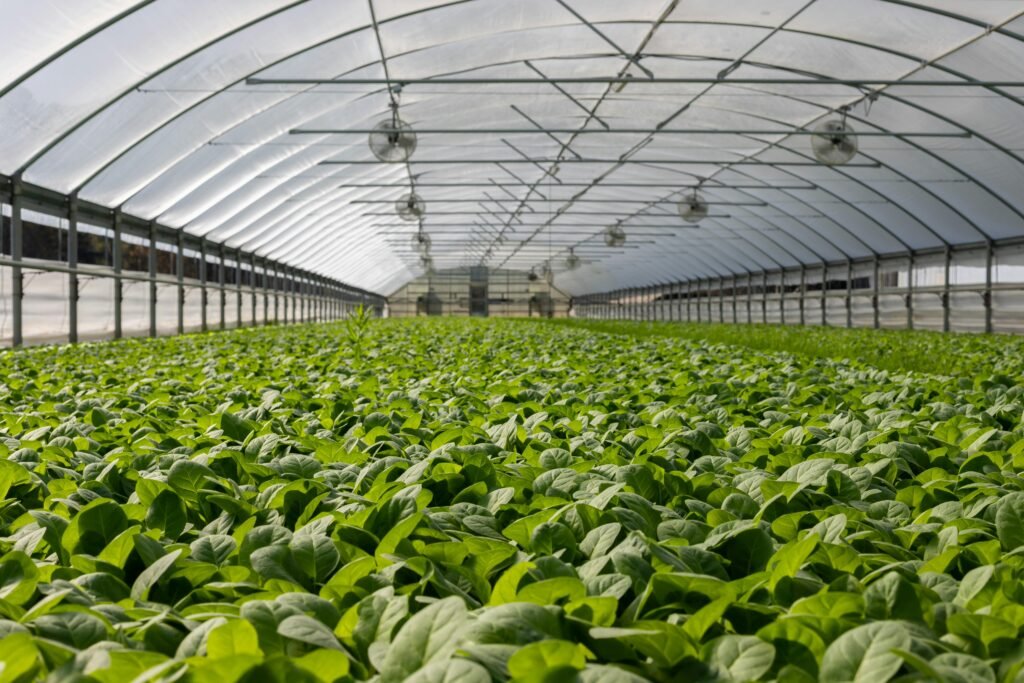
Another important technique in modern agriculture is vertical farming. This approach involves growing crops in vertically stacked layers, often in controlled indoor environments. Vertical farming maximizes space usage, reduces the need for large tracts of land, and allows for year-round production. It is highly efficient because it uses LED lighting, climate control systems, and hydroponic or aeroponic setups to maintain ideal growing conditions. Vertical farming is particularly beneficial in urban areas where space is limited, providing fresh produce close to city populations.
Renewable Energy in Modern Agriculture
The integration of renewable energy sources such as solar and wind power is also changing how modern farms operate. Farmers are now installing solar panels to power irrigation systems, machinery, and greenhouses. This shift not only lowers energy costs but also reduces the carbon footprint of agriculture. Sustainable energy helps make farming environmentally friendly while maintaining high productivity levels.
Sustainability and Environmental Protection
n addition to technological innovations, modern farming techniques emphasize sustainability. Farmers are adopting eco-friendly practices such as crop rotation, organic composting, and reduced chemical usage to maintain soil fertility and protect biodiversity. The goal is to produce food while preserving natural resources for future generations. Sustainable agriculture ensures that productivity does not come at the expense of the environment.
Economic Opportunities in Modern Farming
Modern farming has also opened new economic opportunities. Farmers can now access digital platforms that connect them directly with markets, suppliers, and consumers. This reduces dependency on middlemen and increases profit margins. Moreover, online agricultural education and virtual training programs help farmers learn about the latest methods and tools to improve their productivity and income.
Challenges of Modern Farming
The benefits of modern farming techniques are undeniable. They increase efficiency, minimize waste, improve crop quality, and make agriculture more resilient to climate change. However, there are still challenges such as high initial investment costs, limited access to technology in developing regions, and the need for training farmers to use these advanced systems. Overcoming these challenges requires collaboration between governments, agricultural institutions, and technology companies to make innovation accessible to all farmers.
Conclusion
Modern farming techniques represent the future of agriculture. They combine the best of science, technology, and sustainable practices to create a smarter and more productive agricultural system. As the world faces population growth and environmental challenges, adopting these techniques is essential for ensuring food security and environmental protection. The transformation of agriculture through modern methods is not just a trend—it is a necessity for the survival and prosperity of future generations.